

In the rapidly evolving world of software development, security is no longer an afterthought; it is a fundamental requirement. Endbugflow, a powerful bug tracking and workflow management platform, handles sensitive project data, developer credentials, and organizational processes. Understanding how Endbugflow software can be protected is critical for any team that relies on it to manage their development pipeline effectively and safely.
This article explores the most effective security strategies to safeguard your Endbugflow environment from both internal vulnerabilities and external threats.
1. Enforce Strong Authentication Practices
The first line of defense for any software platform is controlling who can access it. For Endbugflow, implementing multi-factor authentication (MFA) is a crucial step. Similarly, for 2579xao6 new software name, using MFA ensures that even if a password is compromised, unauthorized users cannot gain access without a second form of verification.
Beyond MFA, enforce a strong password policy across all user accounts. Passwords should be at least 12 characters long, combining uppercase and lowercase letters, numbers, and special characters. Periodic password rotation further reduces the risk of credential based attacks.
Single Sign On (SSO) integration is another excellent approach. By tying Endbugflow access to a centralized identity provider, your team can apply consistent authentication policies across all tools, reducing the attack surface significantly.
2. Apply the Principle of Least Privilege
One of the most overlooked yet critical aspects of understanding how Endbugflow software can be protected is managing user permissions carefully. The principle of least privilege means every user should have access only to the features and data they absolutely need to perform their job.
Review user roles and permissions regularly. Remove access for team members who have changed roles or left the organization. Use role based access control (RBAC) to assign permissions based on job functions rather than granting broad administrative rights to multiple users.
Audit logs should be reviewed periodically to detect unusual access patterns. If a developer account suddenly accesses financial or HR related projects without a clear reason, that anomaly should trigger an immediate review.
3. Keep Endbugflow Updated and Patched
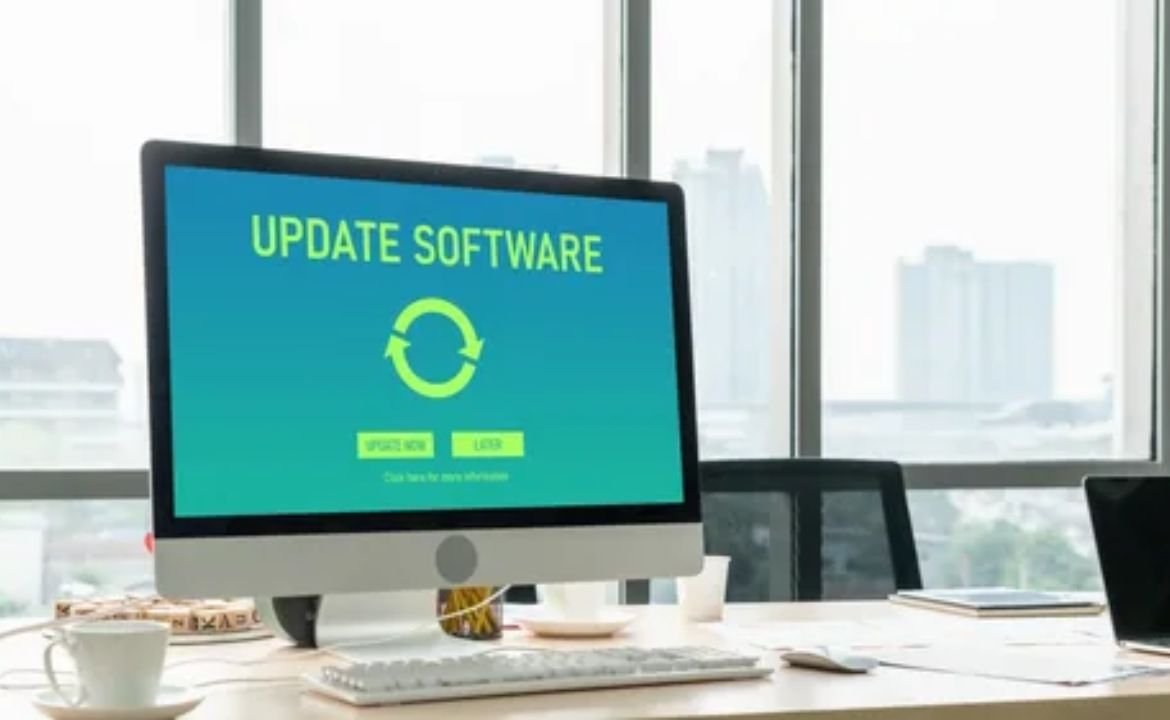
Software vulnerabilities are discovered constantly, and vendors release patches to address them. Keeping your Endbugflow installation up to date is one of the simplest yet most powerful ways to maintain security. Outdated versions may contain known exploits that attackers can leverage to gain unauthorized access or disrupt operations.
Enable automatic update notifications or subscribe to the vendor’s security advisory mailing list. When a critical patch is released, deploy it in a test environment first, verify functionality, and then push it to production promptly.
If you are using Endbugflow in a self hosted environment, also ensure the underlying server operating system, database, and dependencies are regularly patched. Security is only as strong as the weakest link in your infrastructure stack.
4. Secure Your Network and API Connections
Endbugflow typically communicates with other systems through APIs and web interfaces. Securing these connections is a key part of knowing how Endbugflow software can be protected at the infrastructure level.
Always use HTTPS with TLS 1.2 or higher to encrypt data in transit. Avoid exposing Endbugflow’s admin panels or API endpoints directly to the public internet. Instead, place them behind a VPN or restrict access by IP allowlisting.
Configure a Web Application Firewall (WAF) to filter malicious traffic before it reaches your Endbugflow instance. Rate limiting on API endpoints can prevent brute force attacks and reduce the risk of denial of service (DoS) events.
Also, audit all API tokens and integrations regularly. Revoke any tokens that are no longer in use, and rotate active ones on a scheduled basis. Treat API tokens like passwords; they should never be stored in plain text or committed to source code repositories.
5. Implement Comprehensive Logging and Monitoring
You cannot protect what you cannot see. Enabling detailed logging within Endbugflow allows your security team to track user activity, detect suspicious behavior, and investigate incidents when they occur.
Set up alerts for high risk events such as failed login attempts, privilege escalation, bulk data exports, or changes to security settings. Integrate Endbugflow logs with a centralized Security Information and Event Management (SIEM) system for real time analysis.
Regularly review these logs, not just during incidents, but as part of routine security hygiene. Proactive monitoring is one of the most effective ways to identify threats before they escalate into full blown breaches.
6. Train Your Team on Security Best Practices
Technology alone cannot fully secure your environment. Human error remains one of the leading causes of data breaches. Your team members should be trained on phishing awareness, safe credential management, and the importance of reporting suspicious activity.
Conduct regular security awareness sessions and simulate phishing attacks to measure and improve your team’s response. When employees understand the risks and their role in preventing them, your organization is inherently more secure.
7. Create and Test a Data Backup Strategy
Understanding how Endbugflow software can be protected also means planning for worst case scenarios. Ransomware, hardware failures, and accidental deletions can result in catastrophic data loss. A robust backup strategy ensures business continuity even in the event of a serious incident.
Schedule automated backups at least daily, and store copies in multiple locations including an offsite or cloud based repository. Test your backup restoration process regularly to confirm that data can be recovered quickly and completely when needed.
Conclusion
Security is not a one-time task; it is an ongoing commitment. From enforcing strong authentication and applying least privilege access to patching vulnerabilities and monitoring activity in real time, there are many layers to protecting your Endbugflow environment. By understanding how Endbugflow software can be protected through these best practices, organizations can significantly reduce their exposure to threats and maintain the integrity of their development workflows.
Invest in security today to avoid costly disruptions tomorrow. The effort required to implement these measures is far less than the cost of recovering from a preventable breach.









Leave a Reply